How to Make Friends in Bangalore: Practical, Low-Pressure Ways
Find your people on Beacon Circle.
Discover nearby moments, create a beacon, and keep the plan moving in one place.
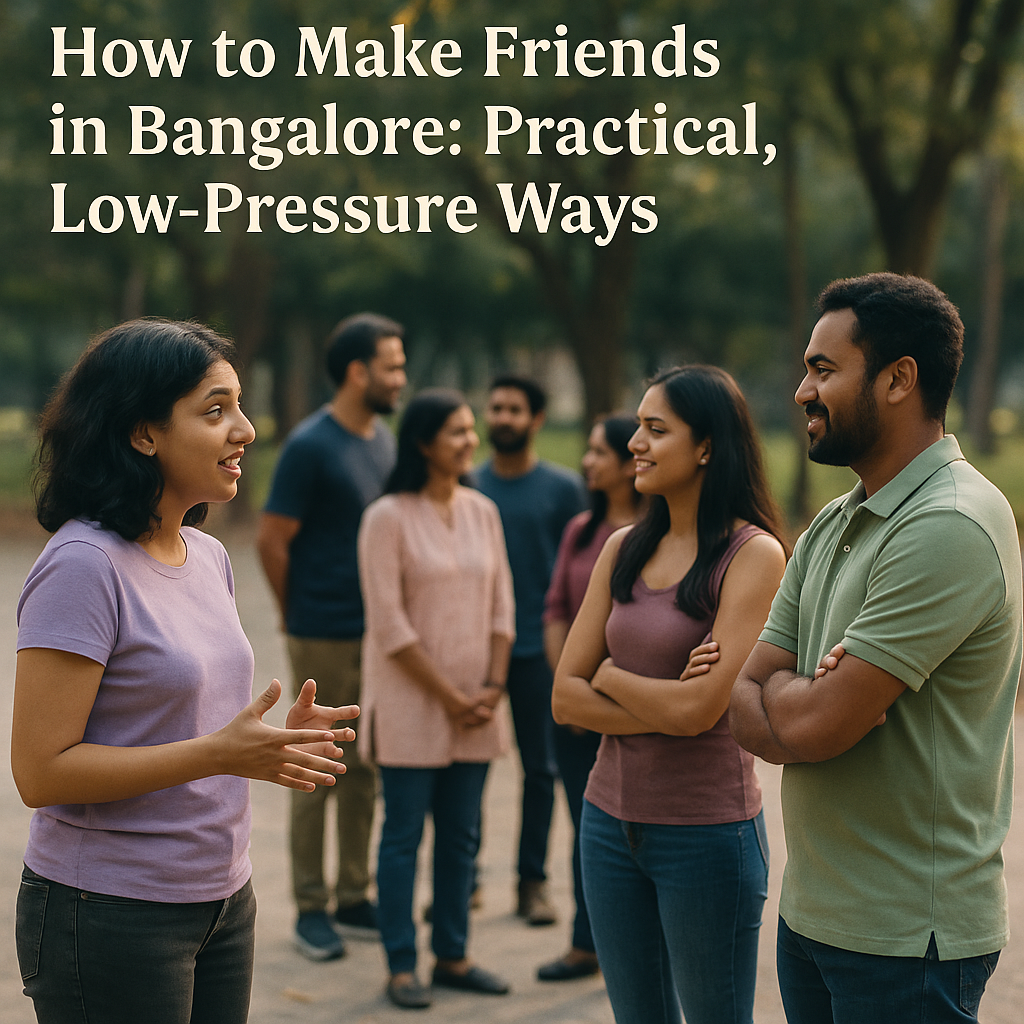
How to make friends in bangalore gets easier when you stop chasing instant chemistry and start choosing situations you can return to. If you are figuring out how to make friends in Bangalore / Bengaluru, this guide focuses on practical, low-pressure ways to find compatible people, especially for newcomers and Bengaluru residents who want to build genuine local friendships. You will find a simple decision framework built around shared interests, repeat contact and settings where conversation can grow naturally rather than feeling forced.
Community works better when shared interest comes first
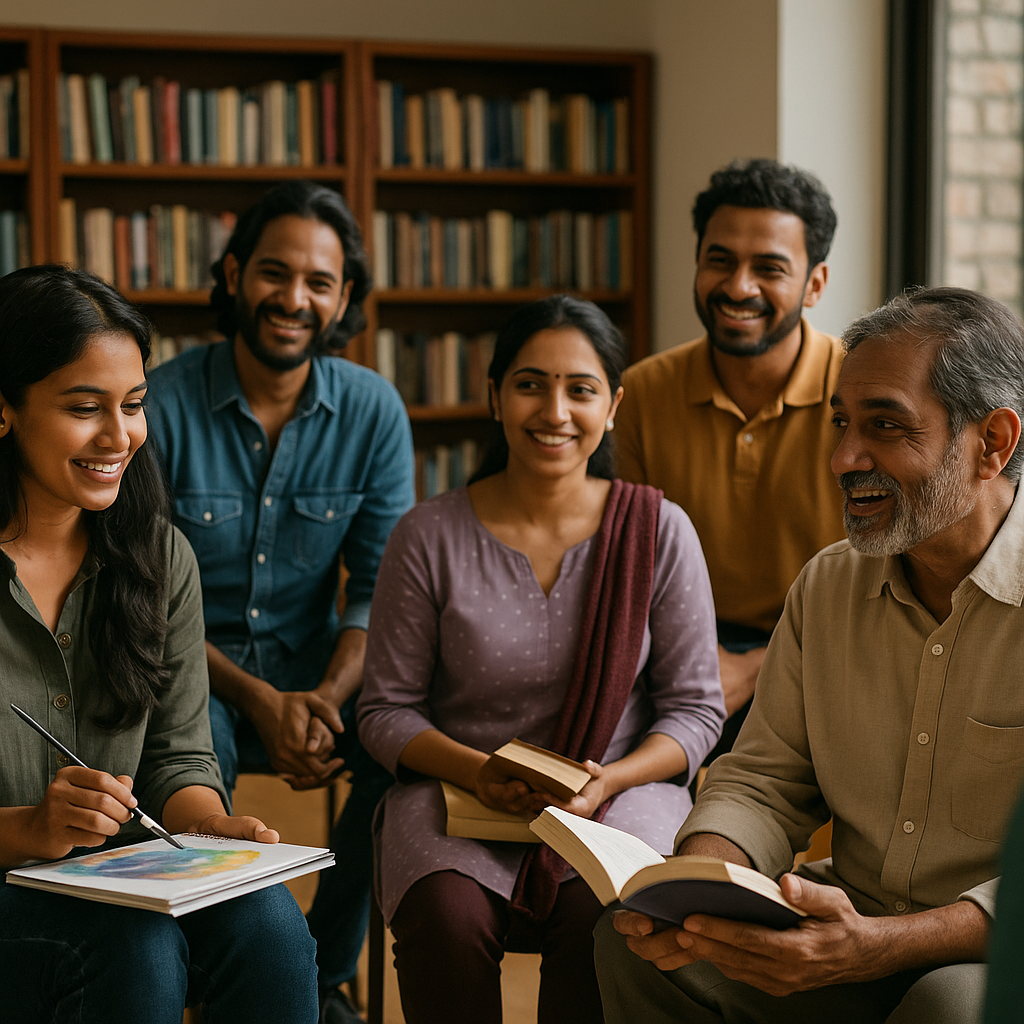
The easiest way to Meet people is usually through an activity that already gives you something to talk about. The source material points to shared interests, group activities, faith practice and children in the same school as natural starting points for connection. That matters in Bengaluru because friendship often grows through routine rather than a single standout interaction. A reading group, sports activity, painting session, gardening space, library event or volunteer setting gives you a reason to show up beyond social performance.
There is a useful trade-off to notice here. Broad social gatherings can expose you to more people quickly, but they can also feel tiring and shallow if nobody expects to see each other again. Smaller recurring spaces may feel slower at first, yet they often give you better odds of building trust and recognition over time. If your goal is genuine friendship rather than a full contact list, choose something you would still value even on a quiet day. The activity itself should carry some of the weight so you are not depending on perfect conversation every time.
How to make friends in bangalore without forcing instant chemistry
A more realistic mindset is to stop treating every social interaction like a test. Instead, choose low-pressure formats where participation is normal even if you are quiet at first. The source suggests activity and social groups, community spaces, public libraries, community gardens and faith-based organisations as examples of places where connection can grow from shared presence. In Bangalore / Bengaluru, a helpful filter is simple: would I still feel glad I came if I only had one decent conversation? If the answer is yes, you are much more likely to keep showing up.
This also helps you avoid choosing spaces that look social on paper but do not suit your temperament. Some people connect best in discussion-based groups. Others do better in practical settings where working side by side reduces pressure. Parents may find school-related activities easier because there is already a shared context. People looking for cultural familiarity may prefer ethnic community-based organisations where language or background creates immediate ease. Compatibility matters more than volume. You do not need the busiest room; you need a setting where the same kind of people are likely to return.
Meet people in Bangalore / Bengaluru through routines, not random bursts
Consistency is what turns recognition into friendship. Rather than trying a different event every time you feel lonely, pick a small number of social formats and stay with them long enough to notice whether they fit. Shared-interest groups, library activities, parent networks, cultural organisations and faith spaces all work differently. Some make introductions easier. Others support slower trust-building. The point is not to do everything. It is to create a rhythm that gives people repeated chances to remember you and feel familiar around you.
There are trade-offs here as well. Searching online can help you find options, but saying yes to too many things can create social fatigue. Public community spaces may feel more open to newcomers, though they can also feel less personal at first. More identity-based spaces may offer stronger common ground, but they may not fit every person equally well. If you are busy, choose one weekday option and one weekend option you can realistically maintain. Friendship usually forms from repeated ordinary contact, not from occasional bursts of social effort followed by long gaps.
Practical, low-pressure ways to find compatible people for newcomers and Bengaluru residents who want to build genuine local friendships
A simple decision framework can make the process less overwhelming. Look for three things: shared interest, repeat contact and conversational ease. Shared interest gives you a built-in topic. Repeat contact gives familiarity time to develop. Conversational ease means the setting does not leave you feeling like you are performing. If one of these is missing, the space may still be pleasant, but it may not be the strongest friendship-building option for you. This matters for newcomers especially, because the real goal is not to appear outgoing. It is to find spaces where belonging can grow naturally.
When you do meet someone promising, keep the next step small. Suggest returning to the same activity, continuing a conversation around the shared interest or meeting again in a familiar setting. That usually feels easier than pushing for personal plans too quickly. If you want extra help exploring participation-led formats, Beacon Circle can be useful when you are specifically looking for community-centred ways to make meeting people feel less awkward than standard networking. Practical follow-up ideas also live in guides on local communities, social clubs and solo-friendly activities where conversation happens around a shared experience.
Which Community approach should you choose?
If you want the easiest entry point, start with a shared-interest group you would happily attend alone. If you want a stronger sense of belonging, community or faith-based spaces may suit you better because mutual support is often part of the setting. If you have children, school and after-school activities can create recurring contact with other parents and carers. If cultural familiarity matters most, ethnic community-based organisations may feel more comfortable because they connect people through shared background, language or experience. None of these is automatically best. The right choice depends on what kind of connection feels sustainable in your real week.
If you are unsure where to begin, start narrow instead of wide. Pick one activity-based option and one community-based option, then give both enough time to judge them fairly. Notice whether conversations get easier, whether people seem open to seeing each other again and whether you leave feeling steadier rather than drained. If you need ideas for formats that reduce first-meeting pressure, our guides on social clubs, finding your people and things to do alone in Bangalore can help you choose a structure that matches your energy. Friendship rarely arrives as a dramatic breakthrough. More often, it grows through familiarity, contribution and being recognised over time.
Useful answers before you decide
What is the best way to make friends in Bangalore if I am new here?
Start with a recurring activity built around a real interest. Shared-interest groups, library events, community spaces, cultural organisations and faith-based groups give you a natural context for conversation and a reason to return.
How do I meet people in Bengaluru without awkward networking?
Choose settings where the activity matters as much as the socialising. Structured spaces usually feel easier than open-ended mixers because you can participate even when conversation is brief at first.
Can introverts make local friends through Community spaces?
Yes. Introverts often do better in smaller, repeatable settings such as reading groups, classes, volunteering, gardening or discussion-led groups. The key is choosing spaces that do not leave you socially exhausted.
Are one-off events useful for friendship, or should I focus on routine?
One-off events can help with introductions, but routine usually matters more for actual friendship. Repeated contact gives people time to recognise you, trust you and continue conversations naturally.
What should I do after meeting someone I get along with?
Keep the next step simple. Return to the same activity, continue talking about the shared interest or suggest meeting again in a familiar context. Smaller follow-ups often work better than trying to rush closeness.
Keep exploring Bengaluru
Sources that shaped this guide
- settleinus.org — Use the source for practical community-connection guidance only; localise the decision framework without inventing Bengaluru groups or outcomes.
More guides for making plans in Bangalore
Find your people on Beacon Circle.
Discover nearby moments, create a beacon, and keep the plan moving in one place.
More good local moments are waiting nearby.
Discover how Beacon helps people and places make more of the city around them.